Beacon Best Asphalt Contractor for New and Existing Pavement
Beacon Best Asphalt Contractor for New and Existing Pavement
Blog Article
Your Dependable Paving Contractor: Superior Surfaces for Every Project
Finding a dependable pavement expert is read more important for any project. Excellent surfaces not only enhance appearance but also guarantee durability and safety. A trusted contractor combines knowledge with a commitment to using quality resources. Their expertise can greatly determine the final outcome. Understanding what to look for in a paving partner can make the difference. Uncover the vital elements that distinguish reliable contractors and how they facilitate successful paving initiatives.
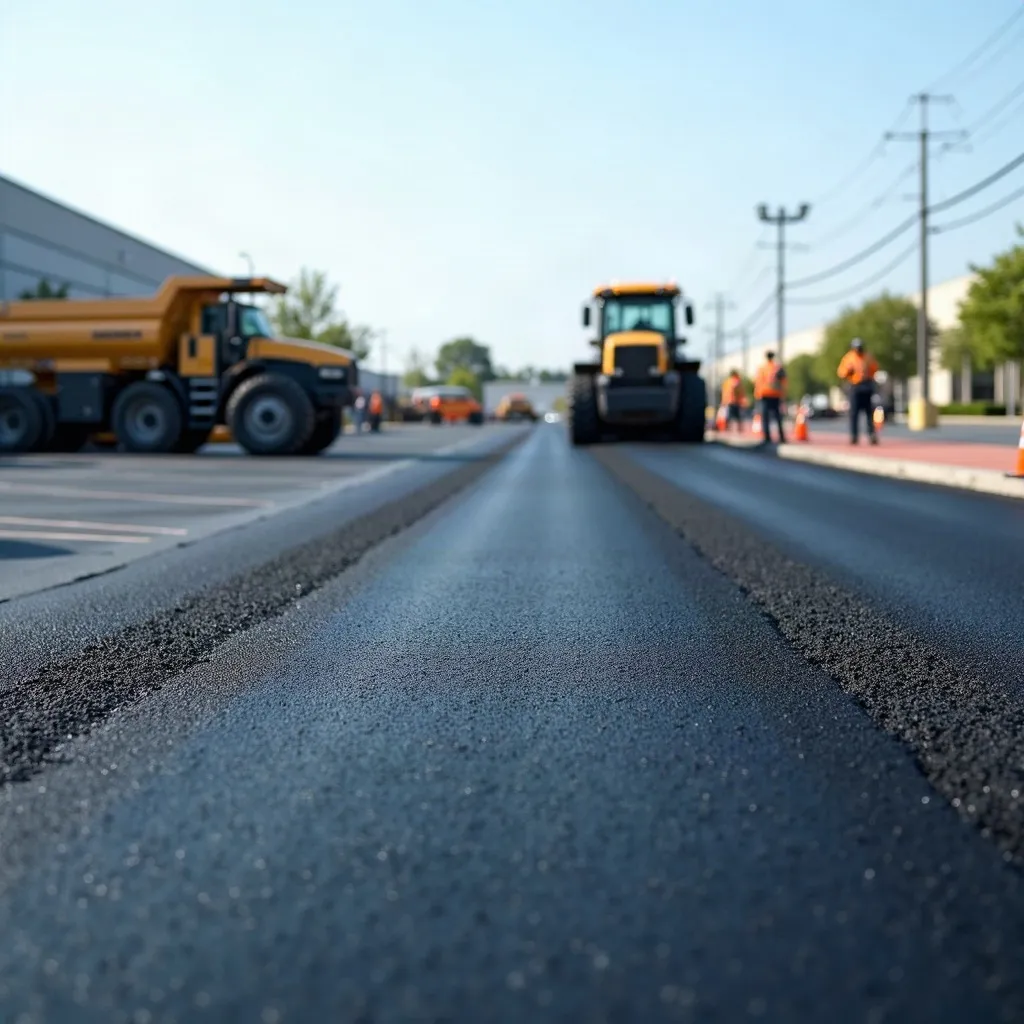
Why Choosing a Dependable Paving Contractor Is Essential
Opting for a reliable paving contractor is essential, as the quality of work can greatly influence the longevity and appearance of paved surfaces. A competent contractor promises that materials are properly chosen and implemented, decreasing the potential for untimely wear and deterioration.
A qualified builder respects local codes and industry standards, which can avoid costly legal problems or fines. In addition, veteran experts understand different soil types, water management needs, and environmental factors, allowing for superior outcomes tailored to specific environments.
Substandard workmanship can result in uneven surfaces, cracking, and safety hazards, which ultimately increase maintenance costs. By selecting a reputable contractor, clients can have assurance in the durability of their investment, knowing it will endure the test of time.
Selecting wisely will save both money and time in the extended period, making this a necessary step in any paving project.
Essential Qualities of a Reliable Paving Contractor
A dependable paving contractor possesses critical qualities that promise a prosperous project.
Experience and proficiency are critical in handling the complexities of paving work, while the implementation of quality materials provides durability.
Additionally, timely project completion reflects a contractor's professionalism and commitment to customer contentment.
Background and Expertise
While numerous elements contribute to the picking of a dependable paving contractor, proficiency and experience stand out as critical qualities. A contractor with extensive experience is better equipped to manage the challenges of various projects, providing quick completion and quality results.
Their accumulated knowledge allows them to anticipate potential challenges and deploy efficient remedies. Expertise also plays an important role, as it reflects a contractor's understanding of current methodologies and professional benchmarks.
This blend enables them to provide informed suggestions, improving the overall project result. Clients can trust experienced contractors to deliver excellent workmanship, backed by a established track record.
Finally, selecting a contractor with solid experience and competence lays the bedrock for a successful paving project.
High-Grade Substances Selected
Premium materials serve as the cornerstone of any successful paving project. A trustworthy paving contractor prioritizes the use of high-quality asphalt, concrete, and stone to warrant durability and longevity.
Premium asphalt, for instance, provides robust resistance to weather elements and heavy traffic, reducing the likelihood of cracks and surface deterioration. Additionally, reputable contractors acquire materials from trusted suppliers, confirming compliance with industry standards.
This focus on quality not only enhances the aesthetic appeal of the paved surface but also ensures safety and performance. Moreover, utilizing superior materials often produces lower maintenance costs over time, making it a sound decision for clients.
Essentially, the choice of materials reflects a contractor's commitment to excellence and customer satisfaction.
Quick Project Finish
Prompt finishing of projects exemplifies a hallmark of a reputable paving contractor. Clients trust contractors to adhere to agreed-upon schedules, securing that projects progress smoothly and competently.
A solid contractor presents strong project management skills, directing labor, materials, and equipment effectively to satisfy deadlines. This commitment not only enhances customer satisfaction but also builds trust and fosters long-term relationships.
Also, swift completion minimizes disruptions for property owners and adjacent regions, permitting rapid entry and usability. Contractors who reliably deliver projects on schedule often distinguish themselves in the competitive paving industry, demonstrating their professionalism and commitment to excellent work.
In essence, swift project delivery illustrates a contractor's professional integrity and commitment to excellence in every paving undertaking.
Paving Options Extended by Your Trusted Contractor
A complete variety of asphalt work is important for any contractor intent on delivering quality results.
A reputable paving contractor usually provides asphalt paving, which is perfect for driveways and parking lots because of its strength and cost-effectiveness. Concrete paving is another popular option, recognized for its longevity and visual attractiveness, suitable for both residential and commercial applications.
Moreover, services may feature sealcoating, which protects surfaces from weather and wear, and pavement repair, addressing cracks and potholes to preserve safety and functionality.
Some contractors also provide ornamental pavement choices, enhancing aesthetics with designs and surface finishes.
In addition, excavation and grading services warrant suitable site readiness, setting a solid foundation for paving undertakings.
Why Top-Tier Supplies Are Essential for Your Paving Task
Selecting top-quality materials is vital for the success of any paving job. The selection of materials influences longevity, appearance, and overall performance. High-quality asphalt or concrete can endure weathering forces, reducing the likelihood of cracks and surface deterioration over time.
This durability not only improves the aesthetic value but also minimizes maintenance costs, providing sustained financial benefits for property owners.
Moreover, the proper materials can enhance safety by providing better traction and reducing the risk of slips and falls. Quality materials also contribute to adequate drainage, preventing water accumulation that can result in structural issues.
Ultimately, investing in high-quality materials guarantees a reliable and aesthetically pleasing surface that satisfies the needs of multiple purposes, from residential pathways to commercial lots.
Preparing Your Site for Asphalt
Prior to paving beginning, full ground preparation is necessary to achieve a successful conclusion. This approach comprises several essential steps to confirm the area is prepared for the placement of pavement.
To begin, the existing surface needs to be cleared of any debris, vegetation, or loose materials that might affect the paving.
Then, compacting the site is required to develop a strong base, permitting correct runoff and deterring potential issues including pooling water or damage.
Additionally, it is important to assess the soil quality. If the soil is too loose or unstable, it may need compaction or the addition of suitable materials to improve its strength.
Marking out the areas for paving will also help in managing the layout effectively.
Finally, ensuring that utility lines are designated and shielded will prevent costly disruptions during the asphalt installation.
Proper site readiness creates the foundation for a sturdy and enduring pavement surface.
What Will You Encounter During the Asphalt Procedure?
What can one expect during the asphalt installation? To begin, a skilled paving expert will evaluate the site to confirm readiness. This encompasses verifying the sub-base and confirming proper water flow.
After this, the team will commence by placing the selected material, whether asphalt or concrete. Heavy machinery will typically be employed to ensure an even surface, and this process often requires multiple layers for durability.
Once the initial layer is set, it may require time to cure before additional layers are applied. During this phase, the contractor will monitor the humidity and thermal conditions to ensure ideal conditions.
After the final surface is put in place, it will undergo compaction to get rid of air pockets and enhance stability. Communication is important; clients should expect regular communications on progress and any potential issues.
Strategies for Sustaining Your Paved Surfaces for Longevity
Maintaining paved surfaces is crucial for ensuring their longevity and performance.
Routine upkeep practices, a strategically planned sealant treatment, and swift repairs can markedly extend how long the pavement lasts.
Daily Upkeep Techniques
Standard upkeep routines greatly enhance the longevity of pavement areas. Consistently sweeping away waste, such as soil and foliage, prevents the accumulation of materials that can lead to wear and staining.
Using a power washer can effectively remove stubborn stains, algae, and moss, maintaining a clean appearance. It is recommended to steer clear of strong chemicals that can damage the paving material; instead, opting for mild detergents is suggested.
Tackling spills without delay also minimizes the likelihood of staining. Ensuring proper drainage helps stop water accumulation, which can weaken the surface over time.
Sealant Installation Timeline
A regular seal coating plan is essential for maintaining the integrity and appearance of asphalt areas. Typically, it is recommended to seal coat every 2-3 years, based on the type of surface and weather factors.
Conditions including sun exposure, heavy traffic, and extreme weather can influence the lifespan of the sealant. Before putting it on, it is important to thoroughly clean surfaces to remove debris and stains. This confirms proper adhesion and effectiveness of the sealant.
Additionally, selecting premium sealant products can enhance protection against water and wear. Scheduling treatments during mild weather conditions can also optimize results, as extreme temperatures may impact curing.
Faithful adherence to this routine can considerably increase the longevity of paved surfaces.
Quick Repairs and Patching
Timely repairs and patching serve an important function in extending the lifespan of paved surfaces. Handling small breaks and depressions promptly can prevent further major harm, saving both time and resources.
Regular check-ups are important; catching problems quickly allows for prompt action. When patching, it's important to use premium products that correspond with the existing surface to ensure a seamless repair.
Furthermore, proper drainage maintenance is important to avoid water accumulation, which can increase surface damage. Creating a routine maintenance schedule, such as sealing and cleaning, will boost durability.
Ultimately, a preventative strategy to maintenance not only preserves the integrity of paved surfaces but also prolongs their lifespan, ensuring they remain operational and visually appealing for years to come.
Common Inquiries That Are Asked
What is the typical Duration of the Paving Process?
The paving operation typically takes one to three days, contingent upon the size and complexity of your project. Elements such as atmospheric circumstances, site preparation, and material choices can impact the schedule, making each project distinctly different in duration.
What Payment Kinds Are Taken?
The contractor receives various payment methods, like credit cards, cash, and checks. Furthermore, financing plans may be available, allowing flexibility for clients to opt for a payment method that fits their economic circumstances.
Are Guarantees Provided on Your Work?
Yes, guarantees are offered on their work, guaranteeing customer satisfaction and trust in the caliber of supplies and workmanship. These warranties vary by project type, providing peace of mind for customers investing in paving services.
Are you able to deliver referrals from prior customers?
Yes, recommendations from earlier clients are obtainable upon request. They showcase the contractor's pledge to quality and customer satisfaction, showcasing completed projects that demonstrate both knowledge and dependability in paving services.
What Manner Do Atmospheric Conditions Influence the Pavement Installation Plan?
Climatic conditions significantly impact asphalt paving schedules. Rain, extreme temperatures, and humidity can cause delays, impacting material curing and adhesion. Contractors must carefully track atmospheric predictions to adjust schedules and ensure ideal paving conditions for durability.
Report this page